September 15, 2026

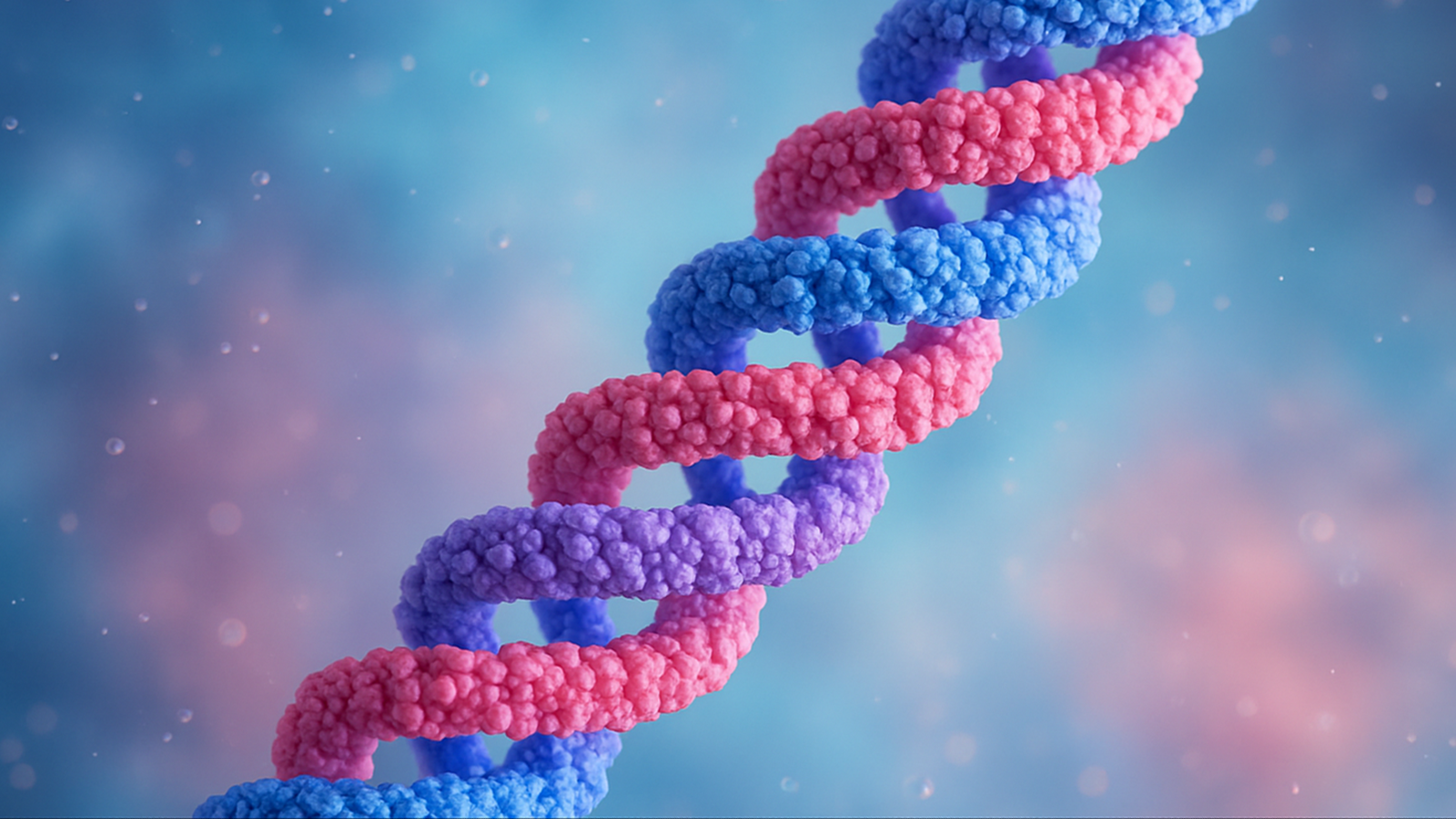
Collagen is the most abundant structural protein in the human body and plays a central role in the strength and stability of skin, joints, bones, muscles, and connective tissues. Because of its importance, collagen supplements have become widely used for supporting joint health, skin elasticity, and overall structural integrity. However, collagen production in the body is not a simple process that can be supported by collagen intake alone.
When collagen is consumed, it is broken down during digestion into individual amino acids and small peptides. These components can then be absorbed and used by the body, but they must be rebuilt into new collagen through a series of biochemical steps. This process requires not only amino acids, but also a variety of vitamins, minerals, and cofactors that enable proper synthesis, stabilization, and protection of collagen fibers.
For this reason, effective collagen support depends on the availability of multiple nutrients working together rather than on a single ingredient.
Collagen formation requires specific amino acids along with several micronutrients that act as cofactors in the enzymes responsible for building and maintaining connective tissue.
Vitamin C plays a critical role in collagen synthesis by supporting the enzymes that stabilize the triple-helix structure of collagen fibers. Without sufficient vitamin C, newly formed collagen is weak and unstable, a deficiency state historically seen in scurvy.
Vitamin A contributes to normal tissue repair and supports the activity of fibroblasts, the cells responsible for producing collagen and other components of connective tissue.
B-complex vitamins participate in amino acid metabolism and energy production, both of which are required for protein synthesis.
Vitamin D3 supports bone health and structural integrity, tissues that depend heavily on collagen as part of their framework.
Vitamin E acts as an antioxidant, helping to protect collagen-rich tissues from oxidative damage.
Biotin supports normal skin and hair health and participates in metabolic processes involved in protein utilization.
Zinc is required for protein synthesis and plays an important role in fibroblast function and wound repair.
Manganese contributes to the formation of connective tissue components and supports enzymes involved in collagen metabolism.
Magnesium is involved in hundreds of enzymatic reactions, including those required for protein synthesis and cellular repair.
Silica is a trace mineral associated with connective tissue strength and may help support the interaction between collagen and elastin fibers.
Hyaluronic acid helps maintain hydration in connective tissues and contributes to joint lubrication and skin elasticity.
MSM (methylsulfonylmethane) provides sulfur, an element required for the formation of structural bonds in many connective tissue proteins.
Each of these nutrients plays a different role, but all contribute to the same overall process: the formation, stabilization, and protection of collagen.
Collagen is composed primarily of the amino acids glycine, proline, and lysine. These amino acids form the repeating structure that gives collagen its strength and flexibility. Glycine allows the tight packing of collagen fibers, proline helps stabilize the helical structure, and lysine participates in cross-linking, which provides tensile strength.
Adequate intake of these amino acids is necessary for the body to produce new collagen. However, the presence of amino acids alone does not guarantee effective collagen formation. Without the required cofactors, the body may not be able to assemble collagen correctly or maintain it over time.
True collagen support requires a synergy of amino acids, vitamins, minerals, and protective biomolecules working together.
This interdependence explains why collagen synthesis cannot be fully supported by collagen peptides alone.
Effective collagen support depends on the coordinated action of amino acids, vitamins, minerals, and protective biomolecules working together.
In addition to producing collagen, the body must also protect it from damage. Oxidative stress, inflammation, and glycation can gradually weaken connective tissue and reduce the quality of collagen fibers. Antioxidants, phytonutrients, and supportive compounds help counter these effects by reducing the chemical stress placed on tissues over time.
Compounds such as spirulina, plant-derived antioxidants, and micronutrients found in fruits and vegetables may help support the body’s natural defense systems, allowing collagen to remain stable for longer periods.
Maintaining healthy connective tissue therefore depends on both synthesis and protection, and both processes require adequate nutritional support.
Because collagen synthesis depends on multiple nutrients working together, some formulations are designed to provide coordinated combinations of amino acids, vitamins, minerals, and supportive compounds rather than relying on collagen alone. This type of approach reflects the way collagen is actually produced in the body, through interconnected biochemical pathways.
CollaGenesis™ Synergy Blend and CollaGenesis-V Vegan Synergy Blend were developed with this principle in mind. These formulations combine collagen peptides or biomimetic vegan collagen with vitamins, minerals, amino acids, hyaluronic acid, MSM, and plant-based antioxidants to help support the normal processes involved in collagen formation and connective tissue maintenance.
Used alongside a balanced diet and healthy lifestyle, this type of synergistic nutritional support can help provide the components required for the body to build, protect, and maintain collagen as part of overall structural health.
Collagen support, therefore, is not simply about consuming collagen. It is about supplying the body with the full range of nutrients needed to form, stabilize, and preserve the tissues that depend on it.