September 15, 2026

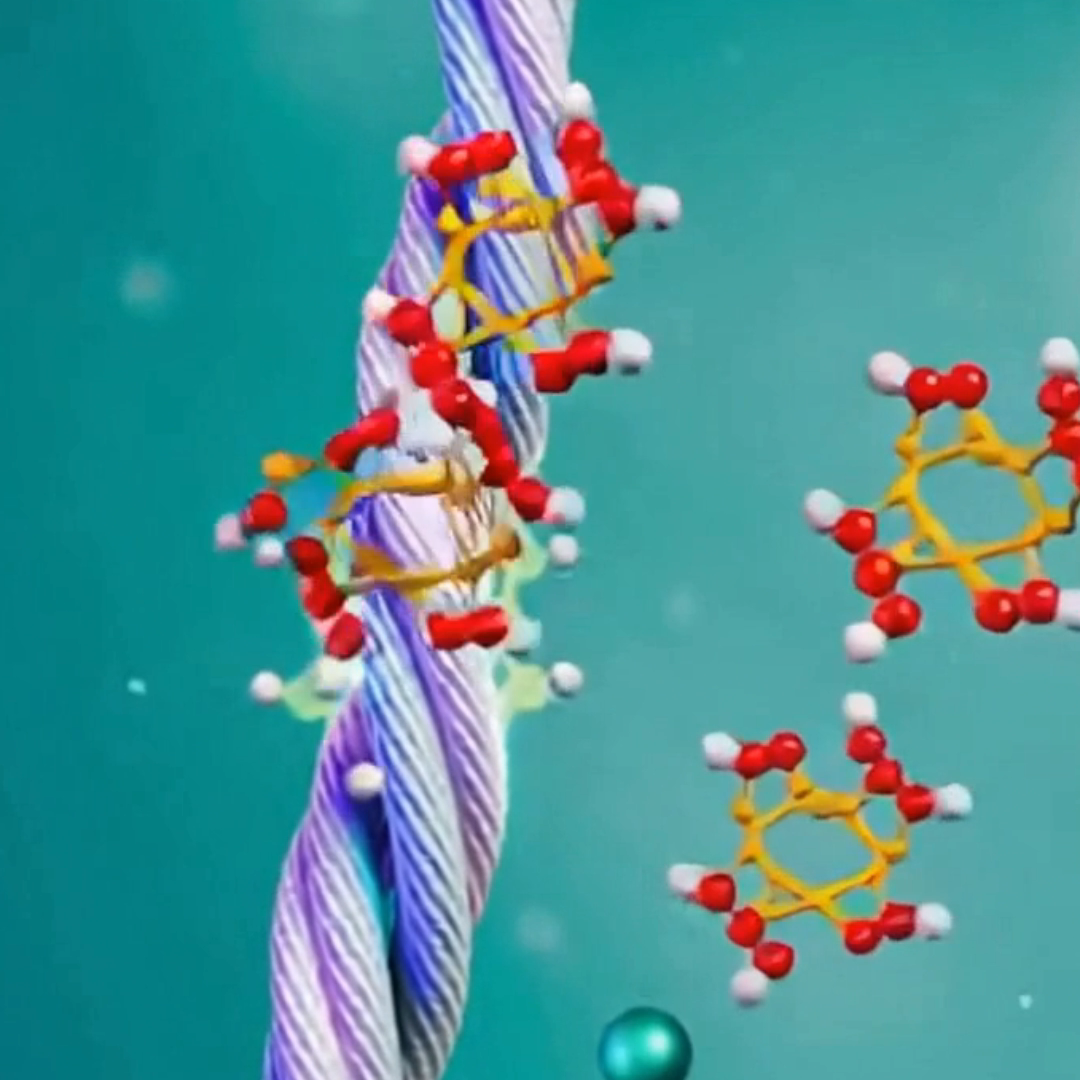
Collagen has become one of the most talked-about nutrients for supporting healthy skin, joints, bones, and connective tissue. However, an important scientific reality is often overlooked: collagen alone is not enough to fully support the body’s natural collagen production and maintenance.
Building and preserving collagen inside the body is a complex biological process. While consuming collagen can provide useful amino acids, the body also requires a wide range of additional nutrients — including vitamins, minerals, cofactors, and supportive biomolecules — in order to properly assemble, stabilize, and protect collagen structures.
These nutrients help drive the enzymatic reactions involved in collagen synthesis, support connective tissue metabolism, protect against oxidative damage, and maintain the extracellular matrix where collagen exists. Without these supporting factors, simply consuming collagen may not provide the full benefit people expect.
In the video below, we explain the science behind collagen production and discuss the important biomolecules that work together to support healthy collagen formation, including vitamin C, vitamin A, B-complex vitamins, vitamin D, vitamin E, key minerals, amino acids, hyaluronic acid, MSM, and other supportive nutrients.
This post also includes the full transcript of the video for those who prefer to read the content.
Collagen alone is not enough.
Powering up collagen production and preservation in our bodies is not just about consuming collagen.
Collagen is a protein, and it is indeed a very important one. But eating it is only one piece of the puzzle.
That's because eating collagen is not the same as actually making collagen. After breaking down consumed collagen, our bodies then have to assemble all the necessary parts into the real structure.
Now, in order for this to work, we also need all of the right building blocks, cofactors, and biomolecules that will help to actually drive the collagen-building machinery.
Let me give you some examples.
Now, here's a very important one. Vitamin C.
It's like a keystone in an arch. Without it, collagen's structure cannot hold firm.
Vitamin C is the required cofactor for enzymes that stabilize collagen's triple helix. Think of it like turning raw parts into a durable structure. Without enough, collagen assembly stalls.
That's why in severe deficiency, we see scurvy like sailors used to get, with bleeding gums and hemorrhaging due to insufficient collagen.
It's a dramatic reminder that without vitamin C, you could eat massive amounts of collagen and still see no benefit.
Yet another important one, vitamin A.
It supports healthy cell turnover and fibroblast activity, helping to signal and maintain the tissues where collagen lives.
Additionally important — B-complex vitamins, including B6, B12, folate, and others. These drive amino acid metabolism and methylation pathways that keep the parts pipeline flowing so your body can actually use glycine, proline, and lysine for collagen.
So all of these vitamins need to work together, including vitamin D3.
It supports bone matrix integrity, which relies on collagen, and works hand-in-hand with minerals to maintain a strong framework.
Another important vitamin, vitamin E.
It provides essential antioxidant support, protecting lipids and proteins in collagen-rich tissues from oxidative stress, which could otherwise wreak havoc.
Biotin, another B vitamin, is also very important.
Biotin maintains keratin protein structures, which complement the collagen matrix in providing resilience and stability to tissues. It's important in skin barrier integrity and in cellular metabolism. It works right alongside collagen matrix networks, helping to keep skin, hair, nails, and connective tissues healthy.
Now, our first mineral to mention, zinc — a very important mineral.
It is absolutely essential for protein synthesis and wound healing. It also helps fibroblasts, which maintain collagen, do their job effectively.
Next up, manganese, another important mineral.
Manganese is a cofactor for enzymes like prolidase, which recycle proline and hydroxyproline, key amino acids in collagen. It's also needed for steps that build connective tissue proteoglycans, which entwine with collagen and elastin proteins to keep tissues healthy.
And here's another one — magnesium, yet another important mineral.
We have this energy molecule our cells use for practically everything, called ATP, and magnesium powers hundreds of ATP-dependent steps, including protein synthesis and vitamin D metabolism, foundational for building and maintaining collagen-based tissues.
One more absolutely essential mineral for collagen production — silica.
This mineral helps enzymes link collagen and elastin fibers, supporting strong connective tissue, skin resilience, and bone matrix integrity. Organosilica, in particular, from ingredients such as bamboo extract, has been found to actually enhance collagen synthesis.
Additionally, collagen is built with key amino acids.
Glycine, the smallest amino acid, sits in every third position of the helix, letting the strands pack tightly, like tiny rivets that hold the spiral together.
Proline and its hydroxy form add sturdiness by stiffening the chain, while lysine provides strong cross-linking between fibers, like the rebar that reinforces concrete.
Another important biomolecule, which is not collagen itself but a perfect partner — hyaluronic acid, as sodium hyaluronate in its powdered supplement form.
It binds water in the extracellular matrix, supporting skin plumpness and joint glide, the environment where collagen lives.
And one more key partner — MSM, methylsulfonylmethane.
This is one you will often see in supplements for joint health because it works. It's actually a natural source of sulfur, vital for collagen’s structural bonds. It strengthens connective tissue, supports joint comfort, and promotes skin elasticity, making it the ideal finishing partner in comprehensive collagen support.
Bottom line — collagen support isn't just about adding collagen. It's about bringing together all the cofactors, enzymes, and protective nutrients that keep the whole system working.
Our synergy blends deliver all of these crucial biomolecules in one formula, scientifically designed to help your body build, protect, and preserve collagen from the inside out.
Rather than struggling to achieve maximal intake of all of these crucial biomolecules, in addition to including collagen or its vegan biomimetic, every one of them is already built into our synergy blends, with two paths forward to reach the same goals: healthier skin, stronger hair, resilient joints, and enhanced muscle performance and repair.
We've also included spirulina, pea protein, and pumpkin seed protein for a total of 25 grams of protein per serving, plus an organic fruit and vegetable blend delivering phytonutrients and antioxidants that help counter oxidative and glycation stress — the very stresses that slowly chip away at collagen quality over time.
Synergy Source Labs is all about nutrition rooted in nature and backed by science.